February 24, 2026
Understanding how to choose the right local fencing contractor is crucial for ensuring a high-quality installation. Fencing is not just about marking boundaries; it's also about creating a safe and secure environment for your property. A professional fencing contractor can offer insights and solutions tailored to your specific needs. Before awarding any contract, it's important to engage with potential contractors by asking targeted questions. Taking the time to thoroughly vet your options can prevent costly mistakes and ensure long-term satisfaction with the finished project.
1. What Experience Do You Have?
Experience is a primary factor when hiring a local fencing contractor. Contractors with several years in the business have likely encountered and solved a variety of challenges. Their history can provide reassurance that they are capable of handling intricate projects. A seasoned contractor will also have a portfolio of past work, which is an excellent way for you to gauge the quality of their work. This background often translates into smoother installations and fewer unexpected issues.
When interviewing potential contractors, inquire about the types of fencing jobs they have completed. This helps you understand whether their experience aligns with your project needs. For instance, if your focus is on a sturdy security fence, find out if they've constructed similar fences in the past. Accumulated experience not only ensures skill proficiency but also suggests a reputation that has withstood the test of time. Matching their past projects to your goals increases the likelihood of a successful outcome.
Additionally, consider asking for client references to verify the contractor's experience and reliability. Hearing directly from previous clients can provide an honest appraisal of the contractor’s workmanship and customer service. What they have learned from past and current contracts can benefit your project through efficient design and construction. While it is not the only consideration, experience gives a solid foundation for trust and reliability. Positive references can further reinforce your confidence in moving forward.
2. What Are Your Licensing and Insurance Credentials?
Licensing and insurance are non-negotiable when selecting any contractor. A licensed local fencing contractor is more likely to stay updated on building codes and municipal regulations. It also indicates a level of professionalism and commitment to their craft. Insurance protects you from potential liabilities or unforeseen accidents during the construction process. Verifying these credentials helps ensure you are working with a legitimate and responsible professional.
Verify that your contractor has both general liability insurance and workers' compensation. General liability covers any damage that might happen to your property during construction. Workers' compensation protects you against any claims stemming from on-site injuries. Should any incidents occur, having a well-insured contractor means you are not burdened with additional costs. This layer of protection safeguards both your property and your financial well-being.
Without appropriate credentials, you risk project delays or legal troubles. Most reputable contractors will happily provide proof of their licensing and insurance. It's important to check the validity and expiration of these documents. Ensuring these credentials are in place not only secures your investment but also guarantees peace of mind during the project. Proper documentation reflects a contractor’s commitment to operating ethically and professionally.
3. Can You Provide an Estimate and Timeline?
Obtaining a detailed estimate is essential before any work commences. This estimate should include labor, materials, and any miscellaneous costs associated with the project. A local fencing contractor who can offer a comprehensive estimate demonstrates transparency. This opens the opportunity to discuss the scope of the project and allows for clear communication regarding budget constraints. A written estimate also serves as a reference point throughout the project.
In addition to costs, request a timeline for the completion of your project. Knowing the projected start and end dates helps manage your expectations and schedule. Experienced contractors will consider various factors such as weather, material availability, and workforce in their estimates. The timeline should include potential buffering for unexpected delays without compromising quality. Clear scheduling expectations reduce the likelihood of frustration or confusion.
Moreover, an established timeline can prevent misunderstandings and delineate precise milestone goals. For any project, clear communication is key, especially if the project faces delays. Regular updates and transparency maintain trust between you and the contractor. When estimates and timelines align with your requirements, it ensures that you are financially and logistically prepared. Defined milestones also help track progress and maintain accountability.
4. What Materials Do You Recommend?
The choice of materials can significantly influence the durability and longevity of your fence. A local fencing contractor with considerable experience will guide you toward materials that offer the best value for your specific environment and needs. Factors like climate, aesthetic preferences, and security requirements all play a role in material selection. According to Bob Vila, chain-link fences can have a lifespan of 20 years, while wood fences typically last 15 years. Selecting appropriate materials can reduce long-term maintenance costs and improve overall performance.
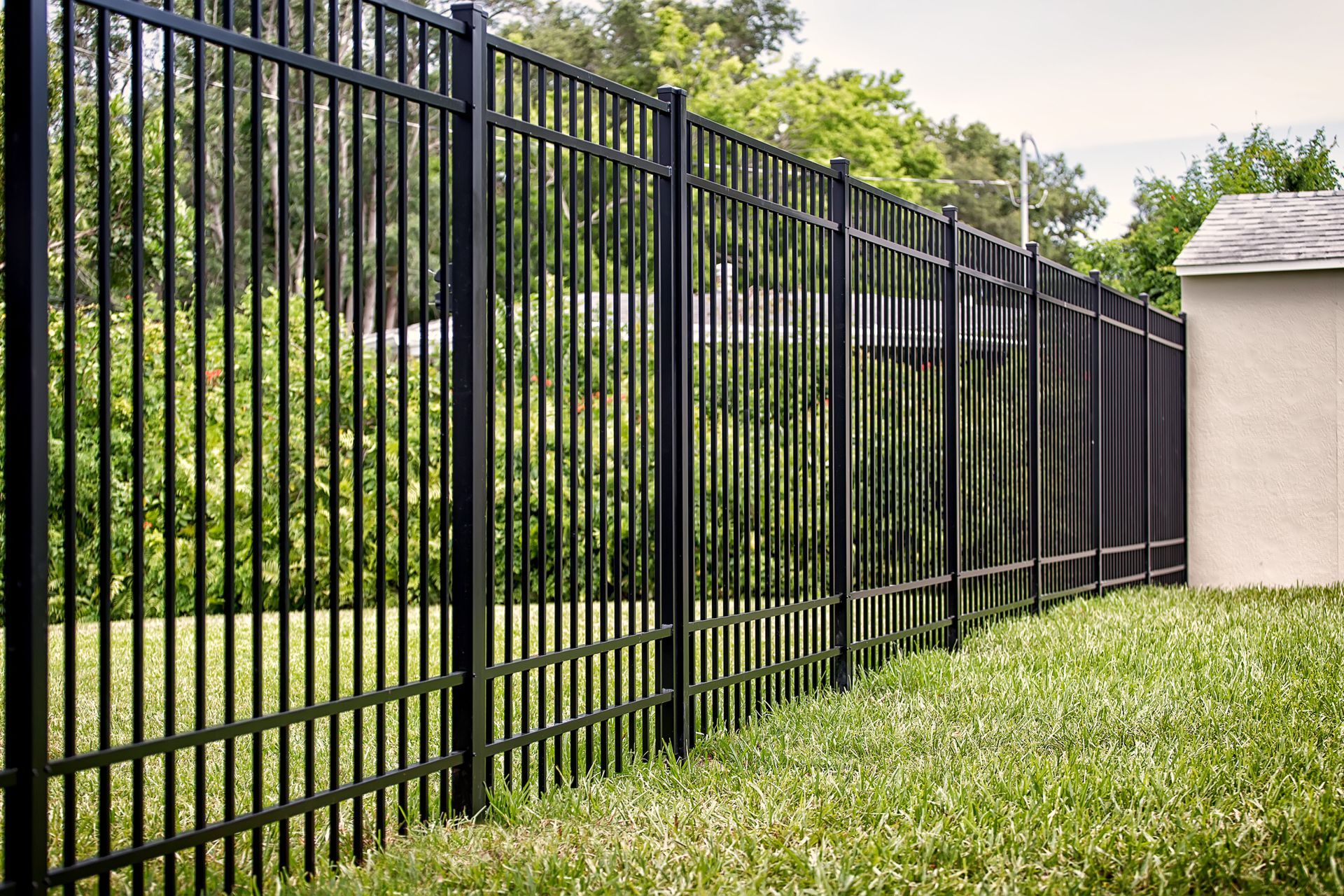
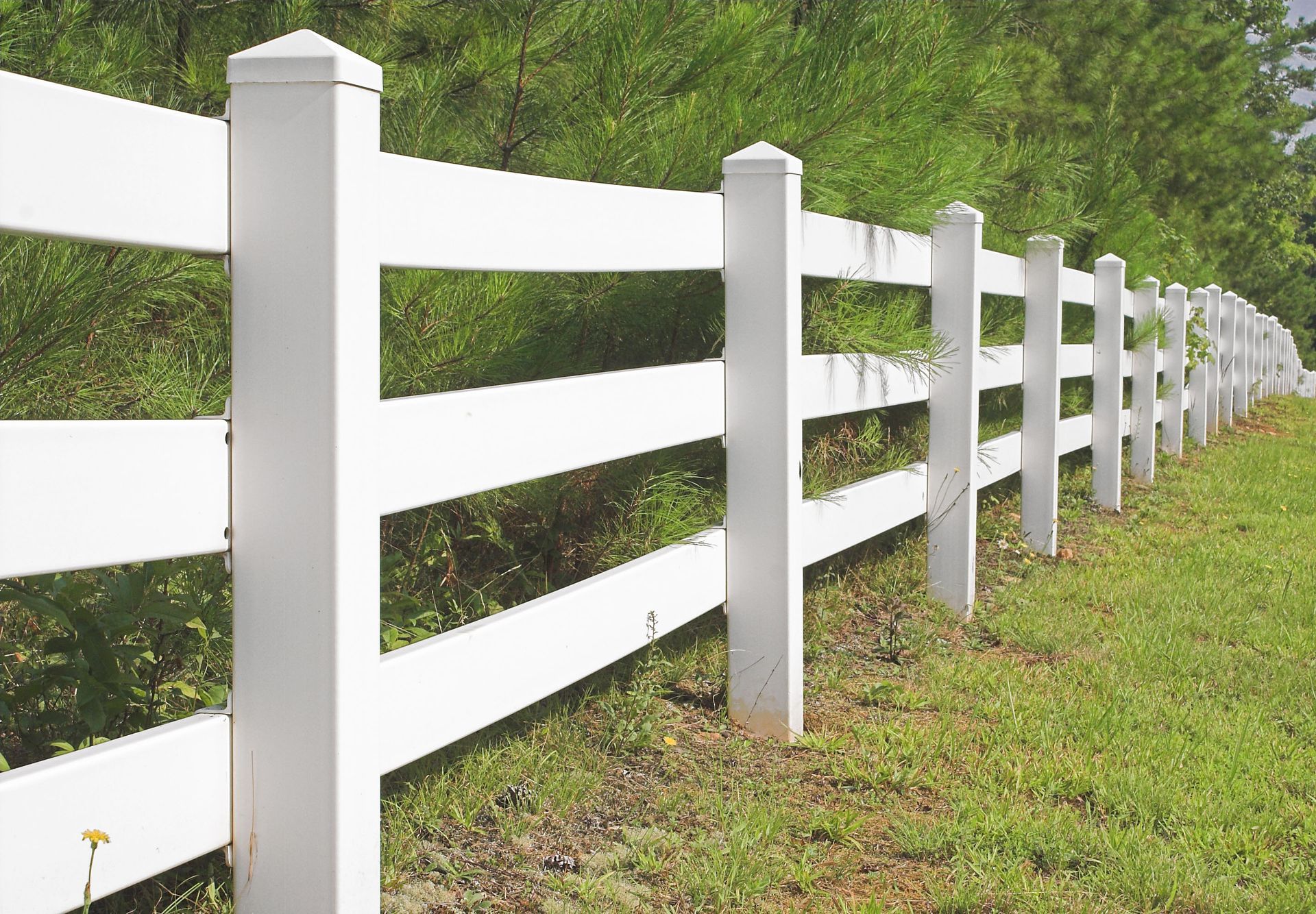
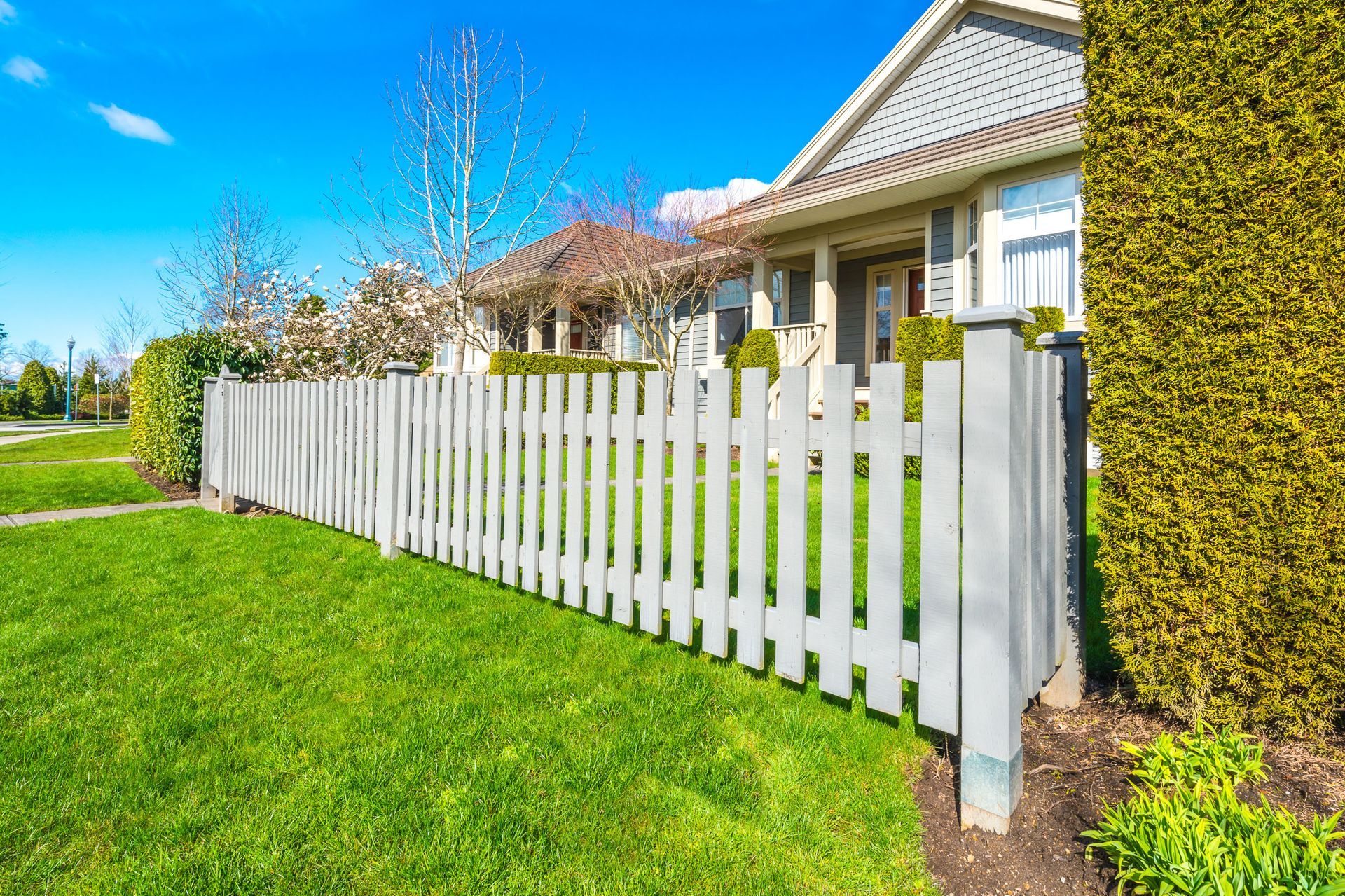
Consult your contractor about the pros and cons of various materials such as vinyl, wood, chain-link, and metal. Chain-link might be recommended for budget-friendly and low-maintenance enclosures, while wood may be ideal for aesthetic appeal. For each material, inquire about the specific maintenance it demands to prolong its lifespan. A knowledgeable contractor's recommendation is informed by past projects and climatic adaptability. Understanding maintenance expectations will help you plan for ongoing care.
Recommending the right material also involves considering your personal style and long-term finish options. Whether you desire a modern, rustic, or traditional look, the material will play a crucial role. Being informed about the life expectancy of the materials helps in managing future repairs or replacements. The right material choice, guided by expert advice, ensures a satisfying balance between style, function, and cost. This thoughtful approach results in a fence that complements your property for years to come.
5. How Do You Handle Permits and Regulations?
Navigating permits and regulations can be a complicated affair. Each locality has its zoning laws and compliance requirements when installing fences. A well-informed local fencing contractor is crucial in guiding you through this process. They can anticipate potential permit needs and streamline the submission of necessary documents. Proper planning helps avoid unnecessary setbacks once construction begins.
It is essential to ensure that your contractor is familiar with local building codes. Failure to obtain the appropriate permits can result in fines, project delays, or the need to alter or remove non-compliant work. Experienced contractors often have established relationships with local authorities, which can expedite approvals. Inquiring about their process for managing permits verifies their expertise in compliance matters. This diligence protects you from avoidable legal and financial consequences.
Ask who will be responsible for obtaining permits; some contractors offer this as part of their service, while others leave it to the homeowner. Knowledge of this upfront prevents misunderstandings and ensures all statutory requirements are fulfilled. A contractor who adeptly handles permits and adheres to regulations confirms their commitment to conducting business properly. This diligent approach minimizes risks and ensures a smooth construction process. Clear responsibility for permits keeps the project organized and compliant from start to finish.
Choosing a reliable local fencing contractor requires asking the right questions to ensure quality work and peace of mind. By understanding their experience, credentials, and processes, you can make an informed decision. It's about building a partnership where transparency and trust yield a long-lasting and satisfying fence installation. With the right inquiry, you secure value, enhance home safety, and achieve aesthetic appeal. Careful planning and open communication ultimately lead to a fence that meets both your practical needs and design preferences. Reach out to Grace Fence to learn more about our services today.