January 27, 2026
A fence is not only a functional addition to your property but also an investment that can enhance security, privacy, and curb appeal when installed correctly. In fact, according to FastExpert, adding a fence to your property offers a typical return on investment of 50% to 70%. Knowing what happens at each stage allows you to plan ahead, avoid surprises, and communicate more effectively with your contractor. Let's walk through the essential aspects of a professional fencing installation, from the initial consultation to post-installation care, so you can feel confident at every step of the project.
The Initial Consultation
Discussing Your Requirements
The initial consultation with a fencing contractor is the first step in the fencing installation process. During this meeting, you'll discuss your requirements and expectations regarding the fencing project. This is the time to communicate your privacy needs, aesthetic preferences, and any budgetary considerations. The contractor will ask questions to better understand the purpose of your fence, whether it's for security, privacy, or decorative purposes. Providing detailed input during this stage ensures that the contractor can suggest the most suitable options for your property.
Evaluating Your Property
Following your requirements discussion, the contractor will evaluate your property. This evaluation includes understanding the terrain, soil type, and any potential obstacles. Each property is unique, and a professional assessment is crucial for identifying areas that may require special attention, such as slopes or rocky ground. The contractor will also measure the area where the fence will be installed to provide accurate estimates later. A thorough evaluation helps in anticipating challenges and ensuring that the fence will fit seamlessly with the existing landscape.
Exploring Design and Material Options
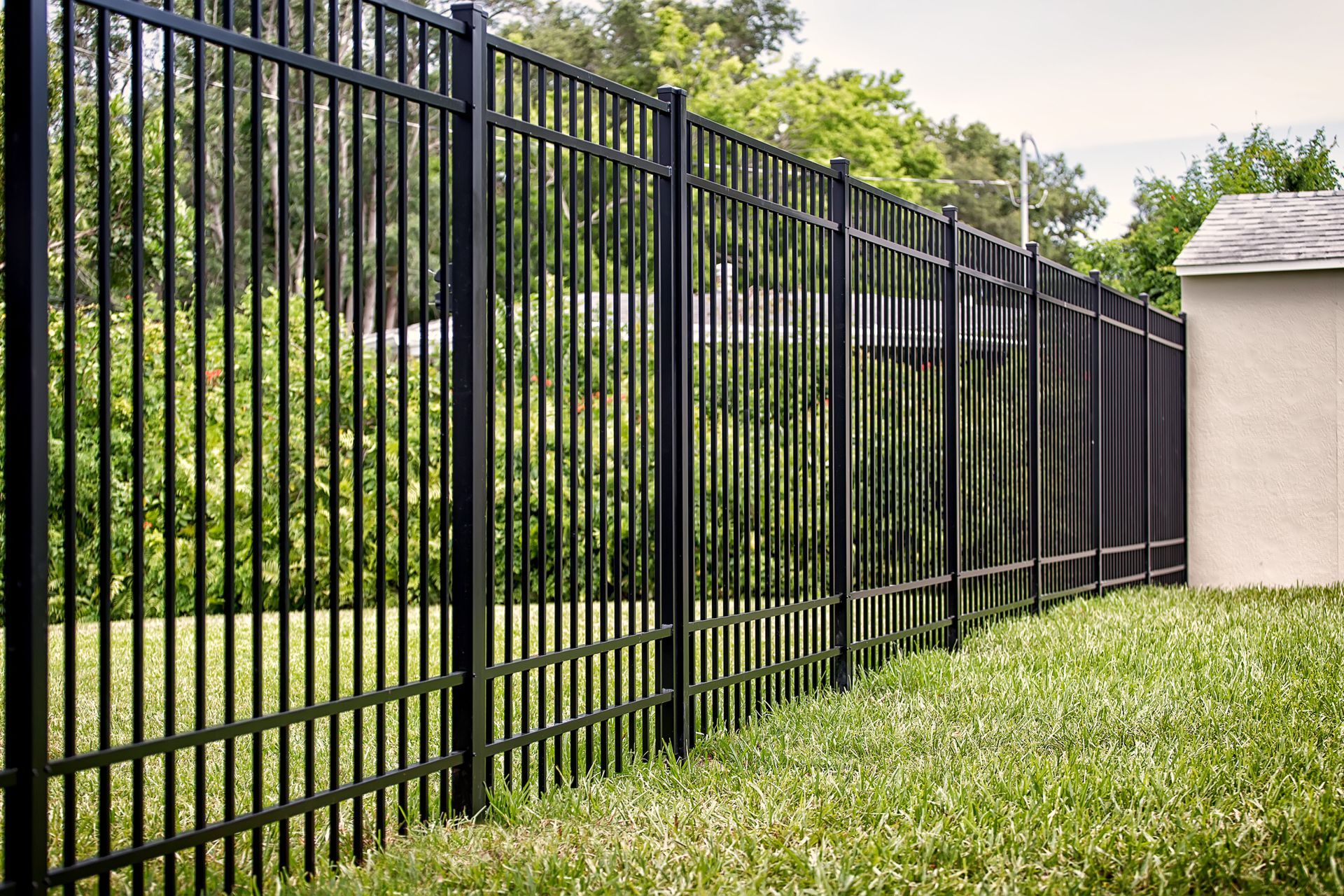
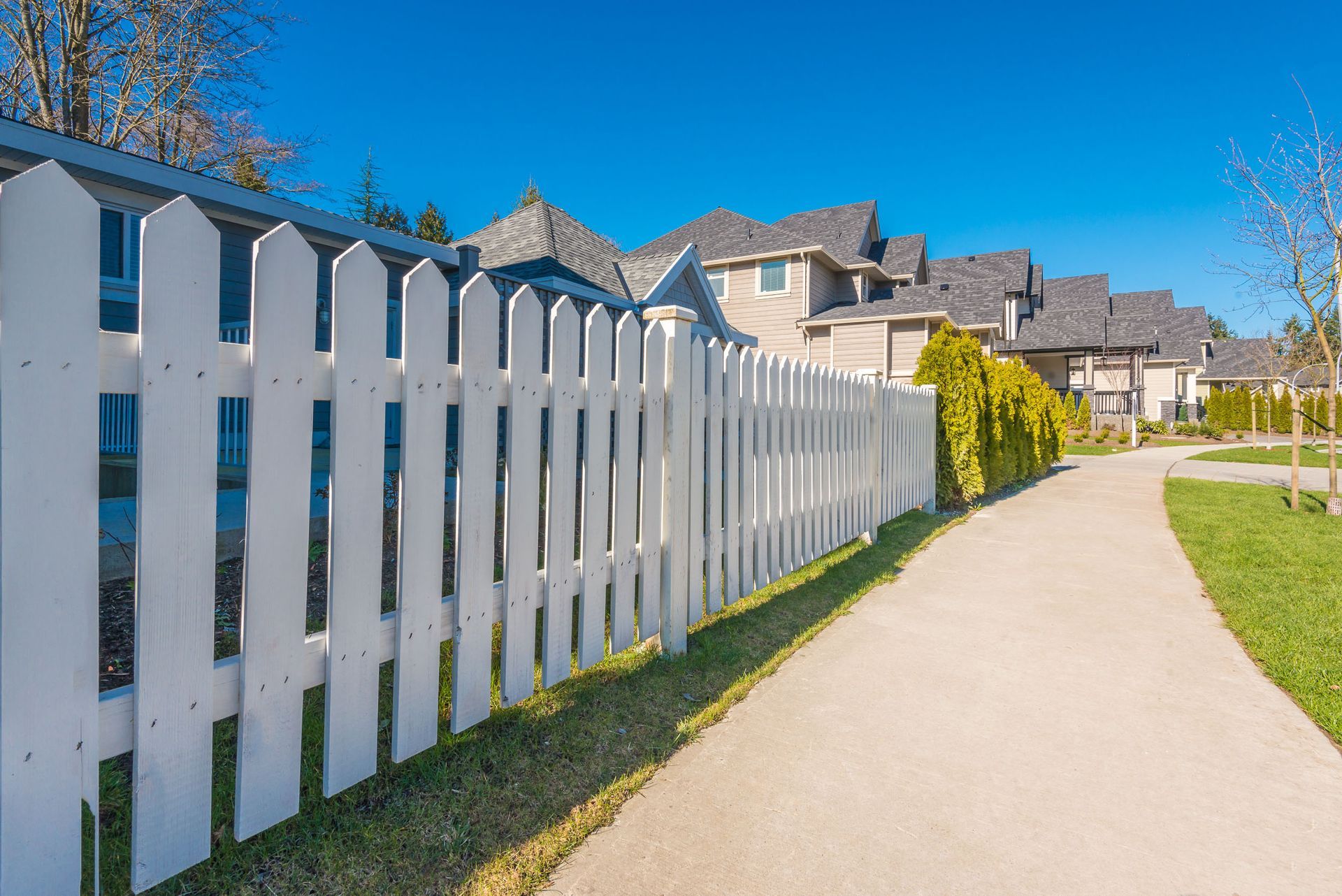
During the initial consultation, exploring design and material options is a crucial step. The contractor will present various styles, such as picket, privacy, or ornamental fences, depending on your aesthetic desire. Material choices might include wood, vinyl, aluminum, or chain-link, each with its benefits and maintenance needs. Deciding on the right combination of design and material will set the foundation for a fence that meets both practical and visual expectations.
Preparation for Installation Day
Preparing the Site
Proper site preparation is crucial to a successful fence installation. This preparation may involve clearing the area of debris, vegetation, or any old fencing material. Doing this ensures a clean and unobstructed space for the installation team to work. The contractor might also mark utility lines to prevent any accidental damage during excavation. In addition, secured access points must be created for transporting materials to the installation site efficiently.
Communicating With Neighbors
Communicating with your neighbors is an important part of the preparation process. Inform them about your fencing installation project to maintain good relations and address any concerns they might have. This is particularly important if the fencing will run along a shared property line. Inviting them to discuss the fence design and placement can preempt disputes and foster a cooperative relationship. Clear communication helps set the stage for a smooth installation process with minimal neighborhood disruption.
Understanding Local Permits and Regulations
Before installation day, understanding local permits and regulations is paramount. Most regions have specific requirements for fence construction that need to be adhered to. Failing to obtain the necessary permits can result in fines or having to halt construction entirely. Your contractor should be familiar with local regulations and can often assist in securing the required documentation. Being proactive about legal requirements ensures your fence installation proceeds without legal complications.
The Installation Process
Delivery of Materials
The delivery of materials typically marks the commencement of the installation process. It's important that the contractor receives all the materials promptly to keep on schedule. You may choose to have materials delivered days in advance to prevent delays. Inspect delivered materials for any damage or discrepancies from the ordered items. Ensuring materials are in good condition and match the agreed specifications will prevent issues during installation.
Marking and Measuring
Marking and measuring are crucial tasks that precede construction. The contractor will lay out the fence lines accurately, ensuring the installation adheres to the property boundaries. Stake or paint markers are used to guide construction and avoid any alignment errors. Precision in this early stage is critical for ensuring the fence is straight and fits the designated area properly. Accurate markings allow for a more efficient installation process and help avoid costly mistakes.
Setting Posts and Foundation
The foundation of your fence starts with setting the posts, which are key to its stability. The contractor will excavate holes at specific intervals along the marked line for the posts. Posts are then set and secured with concrete to ensure they remain upright and stable. Proper depth and alignment are essential to mitigate the risk of leaning or collapsing over time. Setting a solid foundation is fundamental to a fence that can withstand various weather conditions and years of use.
Potential Challenges
Handling Uneven Terrain
Uneven terrain presents a notable challenge that can be addressed through strategic fence design and installation techniques. One approach is to step the fence, creating level sections to accommodate the slope. Alternatively, a racked or contoured fence may follow the land's natural slope for a seamless appearance. It's important that the contractor evaluates the terrain beforehand to recommend the best approach. Tackling uneven ground thoughtfully enhances both the stability and aesthetics of the fence.
Dealing with Weather Conditions
Weather conditions are a variable that can unexpectedly impact installation timelines. Rain, snow, or extreme temperatures can delay the setting of concrete and affect material performance. Contractors often monitor the weather forecast to schedule installation when conditions are optimal. Project timelines should account for weather contingencies to avoid rushed or incomplete work. Being prepared for weather-related challenges ensures the fence's longevity and ensures quality workmanship.
Post-Installation Inspection and Approval
Conducting a Walkthrough With the Contractor
Post-installation, a walkthrough with your contractor is conducted to review the final product. This inspection focuses on ensuring that the installation aligns with the original plan. It's an opportunity to identify any areas that require touch-ups or adjustments. Engage with the contractor to ask questions and confirm that all specifications are met. This final approval guarantees that the finished fence matches both visual and functional expectations.
Identifying Any Corrections Needed
During the walkthrough, identifying any corrections is essential. If there are areas where the construction hasn't adhered to the agreement, addressing these issues is crucial. Corrections could range from aesthetic adjustments to structural modifications. Your contractor is responsible for completing these modifications promptly. Being thorough during this inspection prevents lingering issues and solidifies the project's success.
Finalizing Contractor Paperwork
Once the fence is complete and any corrections have been made, finalizing paperwork with your contractor concludes the project. This may include signing off on delivery, installation services, and warranties. Clear documentation ensures both parties agree on the project's completion status and terms. Having a written record can be valuable for any future inquiries or services. Completing this step formalizes the conclusion of the fence installation process.
Receiving Maintenance and Care Instructions
Receiving maintenance and care instructions from your contractor is integral to preserving your fence's longevity. Guidelines may include cleaning tips, material-specific maintenance, and methods for addressing minor damage. Contractors may also advise on protective measures against environmental factors such as weather. Having a clear care plan ensures your fence remains functional and visually appealing over time. Carefully following these instructions maximizes your investment's lifespan.
By understanding each step of a professional fencing installation, you can ensure it meets your expectations and serves your property well for years to come. Proper preparation and installation are key to a successful project. With the insights and practices mentioned above, you are now well-equipped to undertake and enjoy a hassle-free fencing undertaking with the professionals at Grace Fence. We can get you started today with a free estimate!