March 31, 2026
Strategic fencing installations can significantly enhance property value and neighborhood equity. With urban expansion and evolving community standards, the installation of fencing has become increasingly pertinent in real estate investments. Not only do fences upgrade a property's appearance, but they also contribute to safety, privacy, and in some cases, lower insurance costs. This article will explore how local fencing installation can play a pivotal role in maximizing property equity and community value.
Understanding Property Equity
Property equity refers to the difference between the property's market value and the outstanding balance of any loans secured against it. Essentially, it represents the portion of the property that the homeowner genuinely owns, free from any debt obligations. The importance of equity cannot be overstated, as it impacts financial leverage—a higher equity means more borrowing power for homeowners. Equity also factors into resale decisions, with higher equity potentially leading to greater financial gains upon selling the property. In today's real estate market, enhancing property equity is a strategic goal, with home improvements such as fencing playing a critical role.
Identifying Factors Affecting Property Equity
Several elements can influence property equity, from external market conditions to the specific enhancements made to a property. Market fluctuations might alter property values, affecting the equity calculation directly. Neighborhood developments, such as school quality and amenities, also play into perceived property value. Home improvements, notably those that provide both aesthetic appeal and functional benefits, can significantly enhance a home's equity. Fencing is one such improvement that combines aesthetic upgrades and practical advantages, offering an ROI of 50% to 70% according to FastExpert.
Assessing the Role of Aesthetic Enhancements
Aesthetic enhancements play a substantial role in influencing a property's overall value. Not only do these improvements make properties more visually appealing, but they also create a sense of pride and satisfaction for homeowners and enhance the marketability of properties. A well-designed fence can act as an attractive feature, drawing potential buyers by highlighting boundary neatness and garden designs. The beauty and charm added by incorporating fencing into property layouts can notably increase buyer interest. Aesthetic upgrades alongside functionality are vital for maximizing property equity through local fencing installation.
Analyzing Fencing Types and Their Impact on Equity
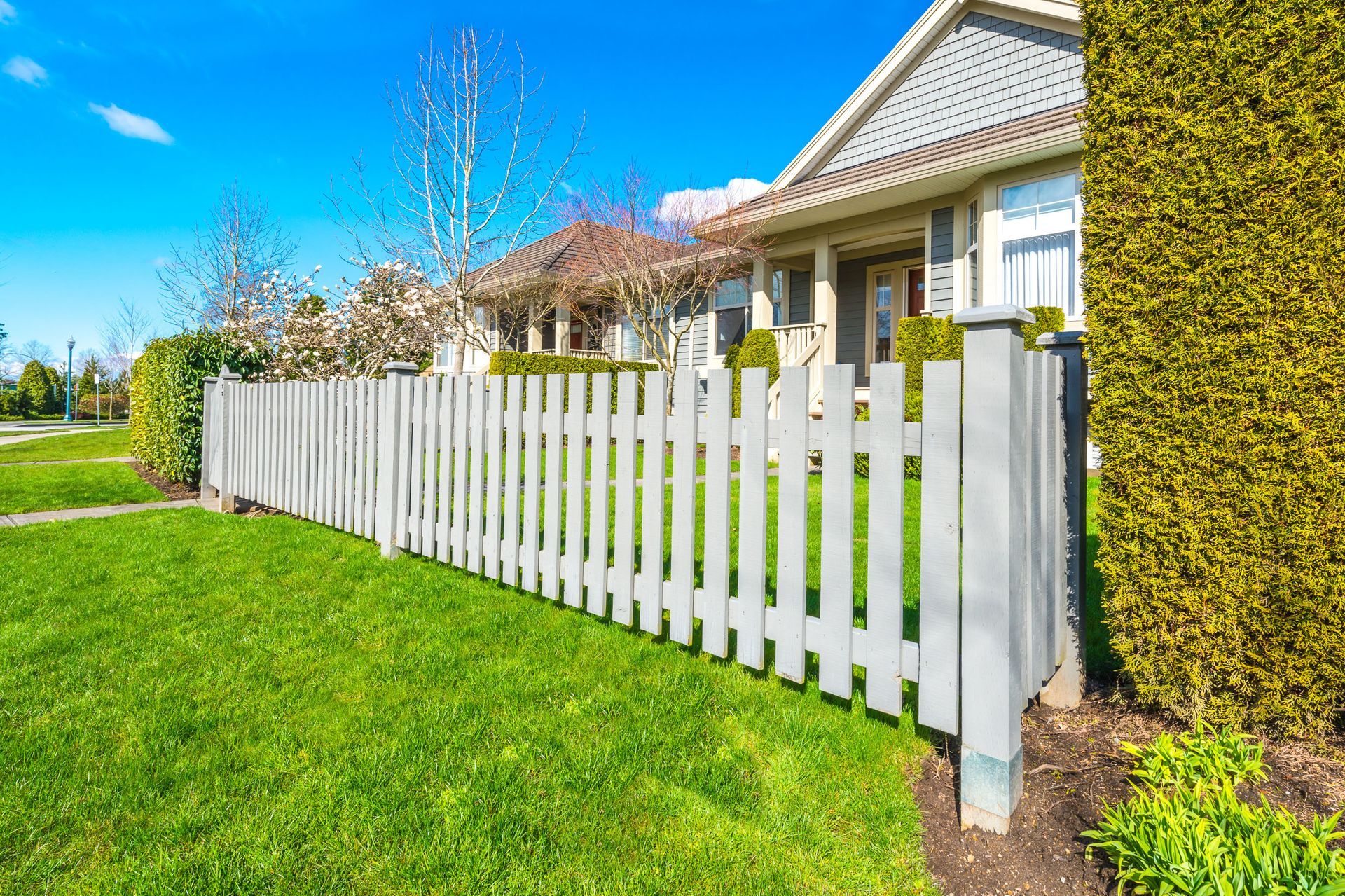
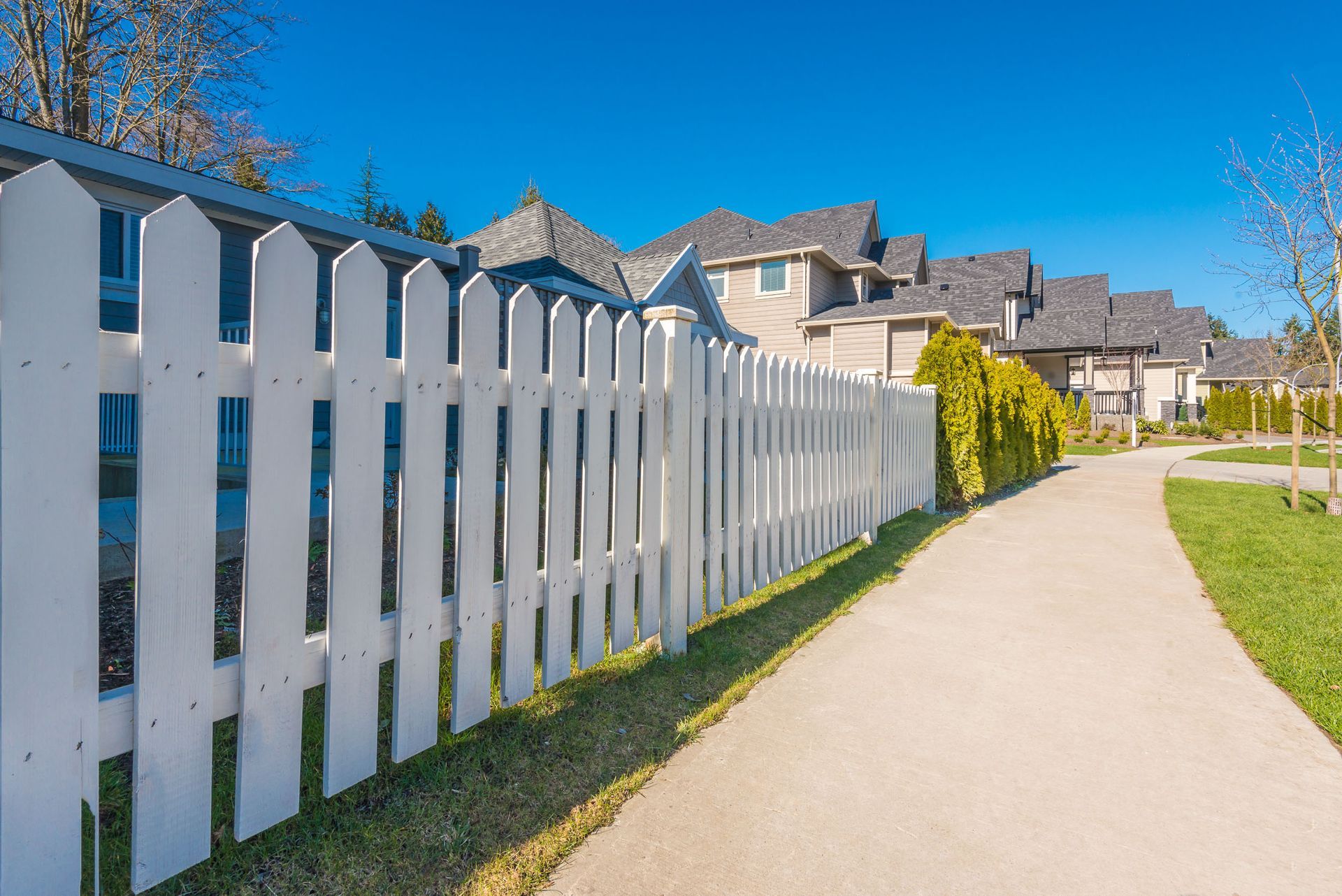
Wooden fences have long been a favorite among homeowners for their classic and timeless appeal. They fit seamlessly into a variety of landscape designs, from rustic countryside settings to modern urban yards. The organic aesthetic that wood offers is often unmatched, making it a preferred choice for those looking to add charm and natural beauty to their properties. Besides aesthetics, wooden fences provide privacy and security, crucial elements that can boost a property's value. However, potential buyers must consider maintenance factors, as wood requires periodic treatments to preserve its appearance and longevity.
Selecting Vinyl and Composite Alternatives
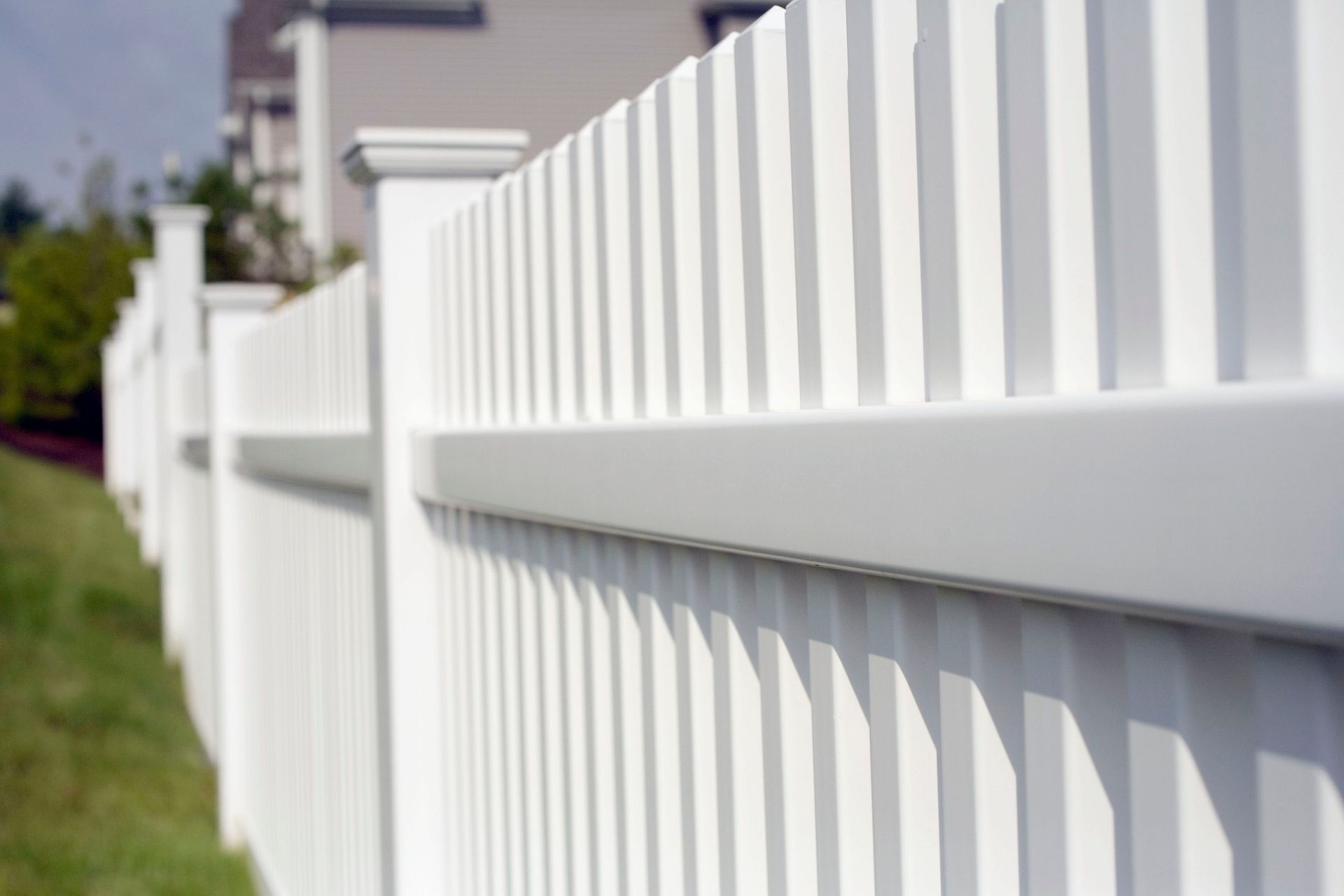
For those seeking lower-maintenance solutions, vinyl and composite fences offer a viable modern alternative. These materials provide durability and weather resistance, requiring less upkeep compared to traditional wood options. Homeowners appreciate not only the varied styles and colors available in these materials but also their pest resistance and longevity. Vinyl and composite fences can emulate the natural look of wood without the susceptibility to rot or warping. These new-age fencing solutions offer a long-term investment that enhances property equity without the burden of frequent maintenance.
Implementing Metal Fencing for Security
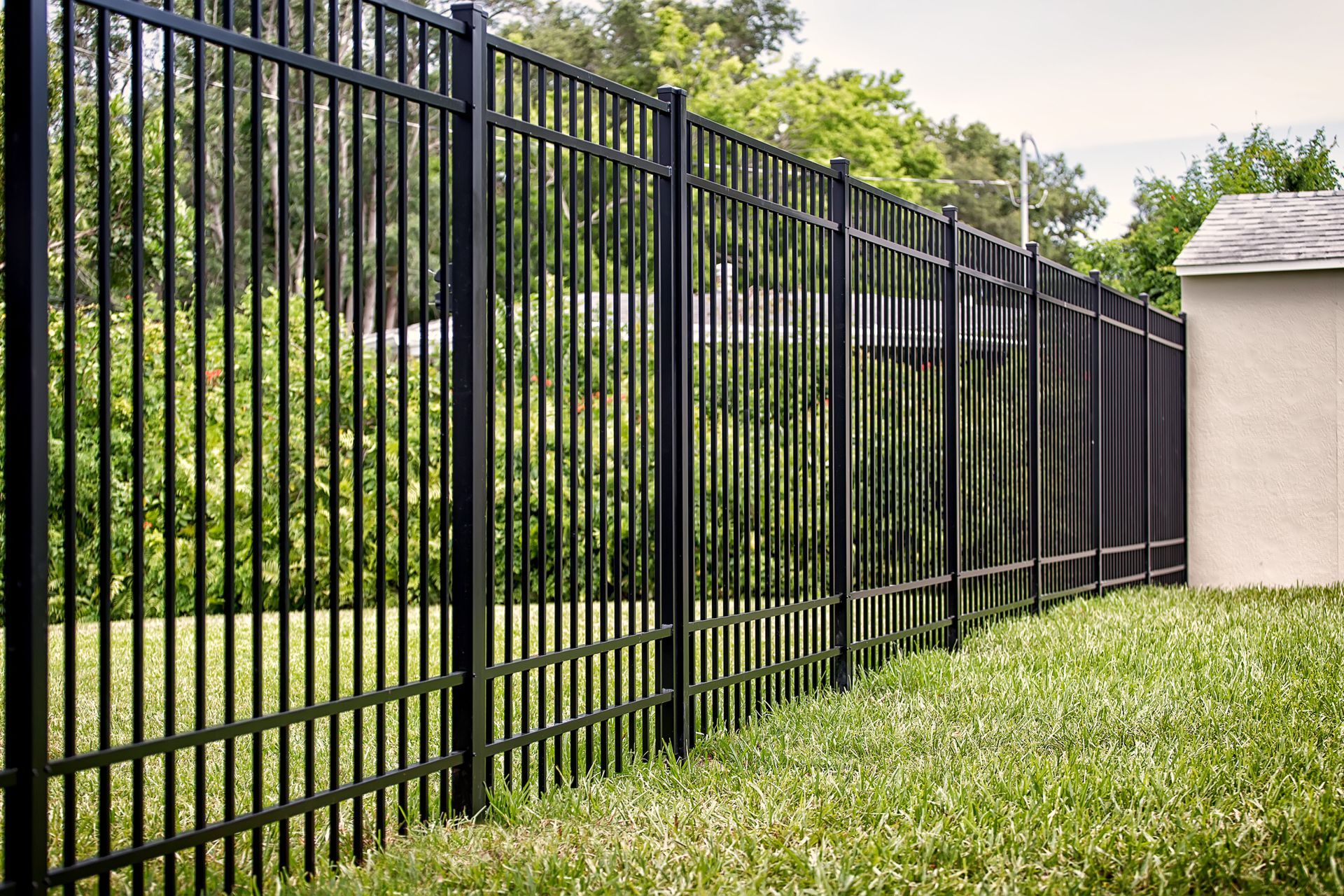
Metal fencing options, such as wrought iron, aluminum, and steel, stand out for their durability and strength, providing homeowners with enhanced security. Metal fences require minimal maintenance and offer long-lasting performance against harsh weather conditions. While wrought iron offers classic elegance, aluminum and steel present modern designs that increase property protection without sacrificing aesthetic appeal. Metal fencing not only adds a layer of safety and security but also contributes to property value by virtue of its robustness and stylish appearance. The enduring qualities and sleek designs of metal fences make them an appealing choice for enhancing equity.
Reviewing Local Regulations and Compliance
Local zoning laws often dictate what can and cannot be done on a property, including aspects related to fencing installations. These rules are designed to maintain the overall character and functionality of neighborhoods, influencing factors like fence height and position. Homeowners need to familiarize themselves with these regulations to help with compliance and avoid costly fines. Zoning laws might also affect the types of materials that can be used, potentially limiting options available to property owners. By understanding local zoning laws, homeowners can make informed decisions that balance personal preferences with legal requirements.
Obtaining Necessary Permits
Securing the appropriate permits before starting a local fencing installation project is essential in many jurisdictions. Permits help ensure that residents adhere to safety standards and that projects meet community planning guidelines. They also provide a way for local governments to track neighborhood changes, maintaining order and preserving aesthetic standards. Failing to obtain the correct permits can lead to delays, fines, and even the dismantling of newly installed fences. Homeowners need to consult with local authorities or contractors to understand which permits are needed for their particular projects.
Following Homeowner Association Rules
Homeowner associations (HOAs) often have specific rules about fencing to maintain the cohesive look and feel of a neighborhood. These regulations might cover aspects such as height, style, and materials used in fencing. Ignoring HOA rules can lead to disputes, penalties, or even the requirement to remove or alter non-compliant fencing. Engaging with the HOA before beginning any work helps with alignment with community aesthetic and compliance standards. By following HOA regulations, homeowners contribute to maintaining and potentially enhancing property values within their community.
Choosing the Right Contractor
When embarking on a fencing project, selecting the right contractor for your local fencing installation is pivotal to achieving desired results. Credentials such as licensure, insurance, and industry certifications are essential markers of a contractor's capability and professionalism. Understanding a contractor's area of expertise, experience with various fencing materials, and awareness of local regulations underpins informed decision-making. Reviews and references from past clients can offer additional insights into the quality of their work. Choosing a contractor with robust credentials helps ensure that the work is completed to high standards and in compliance with legal requirements.
Comparing Detailed Quotes
A competitive bidding process involves comparing quotes and services from different contractors to maximize value and provide quality. Homeowners need to obtain detailed quotes that clearly outline costs, timelines, and include services such as cleaning up once the installation is complete. Beyond cost, factors like material quality, warranty provisions, and project management capabilities should weigh heavily in the decision-making process. Transparent and comprehensive estimates allow homeowners to gauge the potential value of their investment. Adopting this approach balances cost-effectiveness with quality results, protecting property equity over the long term.
Verifying Workmanship Standards
The workmanship of a contractor can significantly affect the durability and appearance of the fencing, impacting the property's overall equity. High-quality craftsmanship is reflected in precise alignments, secure fittings, and aesthetic finesse, contributing to the longevity and functionality of the fencing. Asking contractors for examples of previous work or visiting recent project sites can provide insights into their techniques and standards. Homeowners should also verify that contractors utilize modern and efficient installation methods to provide the optimal function and lifespan of the fence.
Maximizing your property's equity requires a blend of aesthetic vision and practical investment. A local fencing installation remains one of the most reliable ways to boost a home's market value while simultaneously improving the security and privacy of your living space. By adhering to local regulations, choosing durable materials, and selecting a reputable contractor, you help with the longevity of your investment and its positive impact on the neighborhood. Whether you prefer the timeless look of wood or the modern efficiency of vinyl, a well-placed fence is a hallmark of a well-maintained home.
If you are ready to enhance your property's equity and security with a high-quality barrier, reach out to the professionals. Contact Grace Fence today to start your journey toward a superior local fencing installation that adds lasting value to your home.